Services
Pallet Recycling in Albuquerque
Used and broken pallets do not have to be thrown out. Tell us what you have, and we reuse, repair, or recycle them.
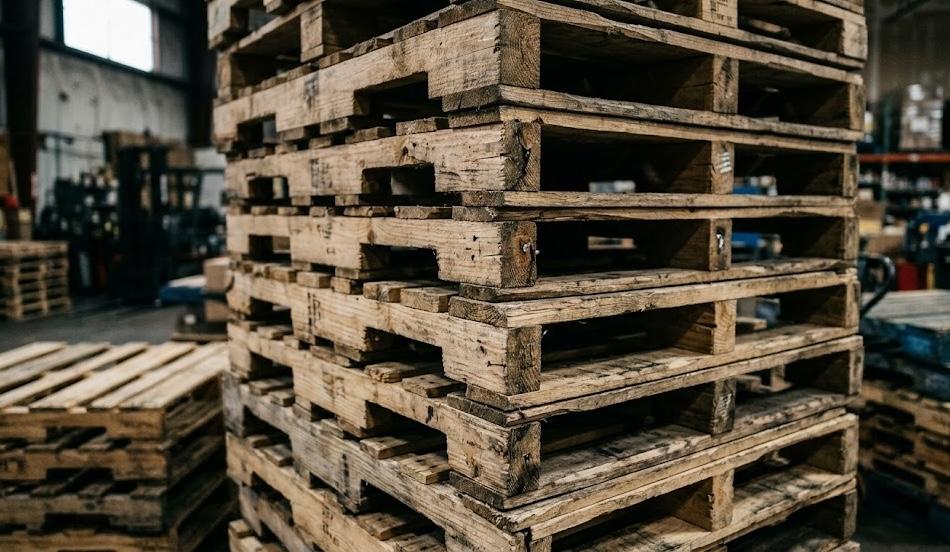
Many used pallets can be reused, repaired, or broken down for their materials.
What to Tell Us About Your Pallets
Four details are usually enough for us to tell you what we can do with your load.
Count
A rough number of pallets is enough to start.
Condition
Reusable, broken, or mixed. Photos help.
Location
Your community and how a vehicle reaches the pallets.
Contamination
Note any spills, chemicals, or mold.
Why It Matters
A Discarded Pallet Is Wasted Wood
Wood pallets are everywhere in shipping, and sooner or later each one is damaged or no longer needed. A pile of them behind a building takes up space, and tossing them in a dumpster fills it quickly.
Yet a pallet is mostly solid lumber and some metal fasteners. Even when it can no longer carry a load, many of its boards may still be sound, and the rest can often be turned into something else.
Sending pallets to someone who can reuse, repair, or break them down gives that material another chance. We do that for pallets in Albuquerque and New Mexico.
What Is Lost When a Pallet Is Thrown Out
Usable Lumber
Boards that could have repaired another pallet are gone for good.
Disposal Space
Pallets are bulky and fill a dumpster far faster than their weight suggests.
Earlier Effort
The work of harvesting, milling, and assembling that wood is not put to further use.
Possible Value
A pallet in good condition may be worth something to us.
Before Collection
Storing Pallets in the High Desert
Albuquerque's dry climate is easier on stored wood than a humid one, but sun and dry air can still shrink boards and loosen nails on pallets left outside. Keeping reusable pallets separate from broken ones, and out of the weather where you can, helps them keep their value.
Stacks of dry wood can also be a fire concern. Keep stacks tidy, away from buildings and ignition sources, and check current local fire rules for outdoor storage.
Good storage also makes collection easier. A clear, sorted stack in a spot a vehicle can reach is quicker to count, assess, and load than a mixed pile behind a fence.
Sort
Good pallets apart from broken ones
Stack
Neat piles a forklift can reach
Shelter
Out of the weather where possible
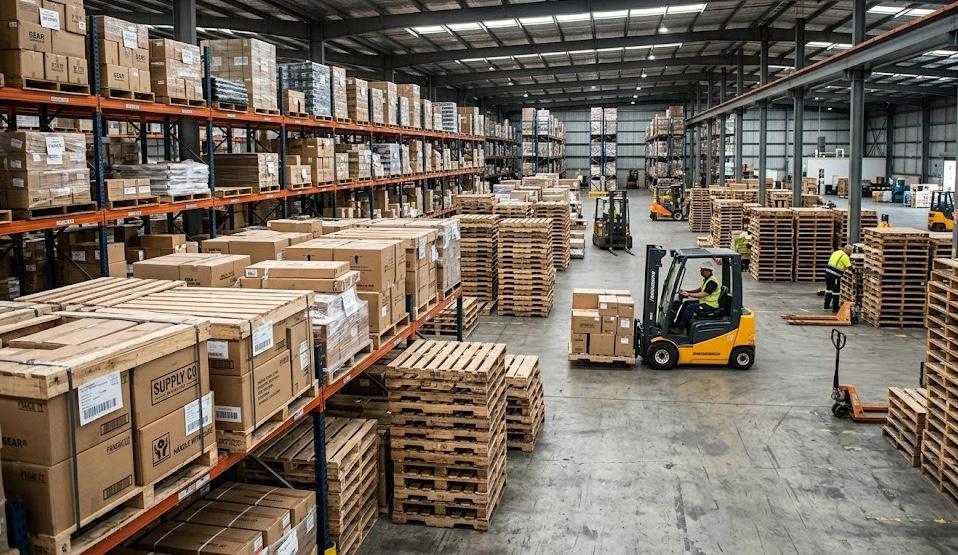
Beyond Wood: What Reuse Can Save
Recycling is about more than disposal. Each step that keeps a pallet in use can avoid some of the work of making a new one.
Lumber
Reusing a pallet avoids building a new one for that trip, and sound boards from a retired pallet can be used in repairs in place of new wood.
Energy
Making a new pallet involves logging, milling, and assembly. Keeping an existing pallet in use avoids repeating those steps for it.
Hauling
Handling pallets close to where they are used can mean less hauling than moving them over long distances, depending on the route.
Metal
Nails and fasteners do not have to be lost with the wood. Once separated, they can go to scrap metal recycling.
General Process
How Pallet Recycling Usually Works
Every recycler has its own methods, but most follow steps like these. Ask us how we handle your pallets.
01
Collection
Used, damaged, or unwanted pallets are collected from the site or brought in by the customer. How this works, and what it costs, depends on the recycler and the load.
02
Sorting & Assessment
Pallets are inspected and sorted into groups: reusable as-is, repairable, or recyclable. Sorting first means sound pallets are not broken up unnecessarily.
03
Dismantling & Processing
Pallets that cannot be reused are taken apart. Boards in good shape are set aside for repairs, and nails and other fasteners are separated from the wood.
04
Material Recovery
Recovered lumber can go toward repaired pallets, while wood that cannot be repaired can often be ground for mulch or fuel. Metal fasteners can go to scrap recyclers.
05
Grading & Resale
Repaired pallets are typically graded by condition and go back into use. If you need records of what happened to your pallets, ask us before the job starts.
Material Destinations
Where Recycled Materials Can End Up
The parts of a pallet have several possible uses. What happens to yours depends on their condition and on the job.
Repaired Pallets
Sound boards can be used to repair other pallets, which keeps those pallets in service.
Mulch & Landscaping
Wood that cannot be reused structurally can often be ground into mulch for landscaping, depending on the wood and local demand.
Biomass Fuel
Smaller wood pieces and sawdust may be used as fuel where a suitable buyer exists.
Animal Bedding
Clean, untreated wood shavings are sometimes processed into animal bedding. This depends on the wood and the processor.
Metal Recycling
Nails, staples, and metal brackets can be separated and sent to scrap metal recyclers.
Getting Started
How to Request Recycling
Send a quote request describing your pallets. We then tell you what we can take, how collection would work, and how the job would be priced.
If your business generates used pallets regularly, mention that as well. We can say whether repeat collection is possible for your location and volume.
Questions to Ask Us
- Which pallets can you take, and which can you not?
- Is there a charge, or could any pallets have resale value?
- Do you collect, or do I need to bring the pallets?
- Who does the loading?
- Is repeat collection possible?
- What happens to pallets that cannot be reused?
- Can you provide a receipt or count for my records?
Three Steps to Start
1
Send a Request
Fill out the form above. Tell us your location, approximate pallet count, and condition.
2
We Match It
We check what we can do for you.
3
We Follow Up
We contact you about what we can do, how it would work, and any pricing.
Who Ends Up with Used Pallets
Warehousing & Distribution
Manufacturing
Retail Stores
Food & Beverage
Wholesale Supply
Construction
Agriculture
Building Supply
A Realistic View of Recycling
Not every pallet can be saved, and no one can promise that all of a load will be reused. Pallets that are contaminated, for example, may need other handling. Even so, sorting used pallets rather than throwing them out gives much of that material a better chance of further use.
If recycling is important to you, ask us what happens to your pallets. A clear answer to that question tells you more than any general claim.
Recycling FAQ
Is there pallet recycling near me?
We cover Albuquerque, Rio Rancho and other parts of New Mexico, and availability depends on where your pallets are. Give your town, the count and the condition in the request and we reply if we can take them.
Is there a cost for pallet recycling?
That depends on the condition, quantity, and location of your pallets. Pricing is by quote.
What condition do pallets need to be in for recycling?
Broken and worn pallets can often be handled, but pallets contaminated with chemicals may be refused, so disclose this up front.
How many pallets do I need to request recycling?
We set no minimum for a request. We may need a certain quantity to make a trip worthwhile and will tell you when we follow up.
Can I get records for my company reporting?
If you need a receipt or a pallet count, ask us what we can provide before the job starts.
What happens to pallets that cannot be reused or repaired?
Wood that cannot be repaired can often be ground for mulch or fuel, and metal fasteners can go to scrap recyclers. Ask us how we handle your load.
The Business Case for Pallet Recycling
Recycling can make practical sense as well. Whether it does for you depends on your pallets and your current disposal setup.
Free Up Disposal Space
Pallets take up a lot of dumpster space. Moving them out of your waste stream may reduce how much you rely on your dumpster. Compare our quote with what you pay your hauler now.
Recover Possible Value
Pallets in reusable or repairable condition are not always waste. We may be interested in buying them, depending on condition, quantity, and demand.
Clear Your Space
Piles of used pallets take up room that could be used for other work, and they can get in the way of forklifts and foot traffic. Regular removal keeps a site easier to run.
Collection Options to Ask About
How used pallets leave your site depends on the job. These are the arrangements to ask about.
One-Time Collection
If you have a single load to clear, describe it in your request. Stack the pallets in an accessible area, and agree with us who will do the loading.
Repeat Collection
If you generate pallets regularly, tell us how many and how often. We can say whether a repeat arrangement is possible for your site.
Bringing Pallets In
If you have your own vehicle, ask whether we accept pallets brought to our site, and what we need from you first.
Smaller Loads
A few pallets may be hard to justify a trip for. Say what you have anyway, as we may be able to tell you the best option.
Condition Guide
What Condition Are Your Pallets In?
Use this table to describe your load. It shows where pallets in each condition often go and what is worth mentioning in your request.
| Condition | Likely Path | What to Mention |
|---|---|---|
| Sound, standard size | Reuse or resale | Size, count, and photos |
| A few broken boards | Repair | Roughly how many are damaged |
| Cracked stringers or blocks | Repair or dismantling | Pallet type and extent of damage |
| Badly broken | Dismantling or grinding | Approximate quantity |
| Non-standard size | Depends on the job | Dimensions and quantity |
| Spills, chemicals, or mold | May be refused | Exactly what you know |
General guidance only. We decide what we can take.
Recycling vs. Disposal: What to Compare
Before you decide, look at everything disposal involves for you, not just the hauler's bill. Then compare that with what we quote.
Throwing Pallets Away
Dumpster spaceFills up quickly
Hauling and tippingSet by your hauler
LaborYour people break down and load
Usable palletsAny value is lost
MaterialsWood and metal are not recovered
What to CheckYour current waste bill
Recycling With Us
CollectionAgreed with us
PricingBy quote
LaborAsk who loads
Usable palletsMay have resale value
MaterialsCan often be reused
What to CheckThe quote for your load
Records & Rules
What to Check Before You Commit
If your business keeps waste records, or simply wants to know where its pallets go, raise these points with us early.
Collection Receipts
Ask whether you can get a receipt for each collection, showing the date and what was taken.
Pallet Counts
If you need numbers for your own records, ask how pallets are counted and whether you can have that count in writing.
Where Material Goes
Ask what happens to pallets that cannot be reused. We can describe this in plain terms.
Company Reporting
If your company reports on waste, tell us what you need. Check with your reporting team what evidence is acceptable before you rely on it.
Permits and Insurance
Ask in your request which documents you need for this work, particularly if it will be working on your site.
Local Rules
Rules for storing and disposing of wood waste can change. Check current regulations for your location, particularly for contaminated pallets.
Start a Recycling Request
Tell us about your used pallets and we will quote the job. Requesting a quote is free and carries no obligation.
Request a Quote